

Introduction
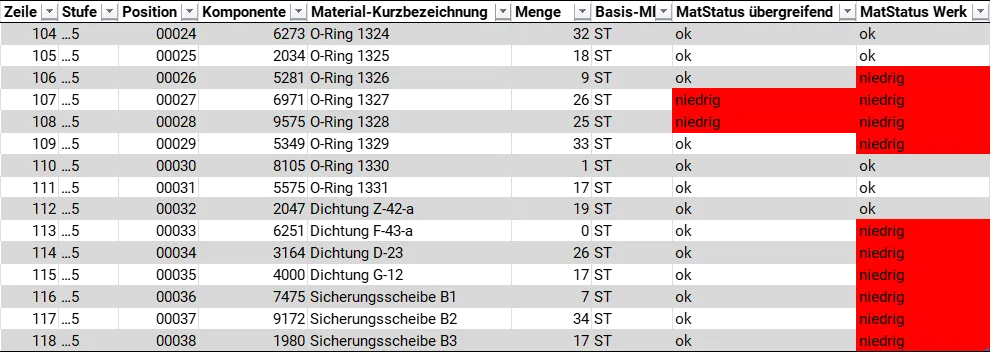
Welcome to our comprehensive guide on spare parts management in maintenance. As a leading expert in warehouse automation, we understand how important it is to optimally design your maintenance processes in order to secure the long-term success of your business. In many companies, spare parts management is handled in a rudimentary fashion using a simple Excel template. In a worst-case scenario, this can lead to high downtime costs. In this article, we will present valuable insights, proven strategies, and efficient solutions to help you optimize your processes and outperform your competition. The focus here is particularly on spare parts logistics and storage.
The Importance of Spare Parts Management
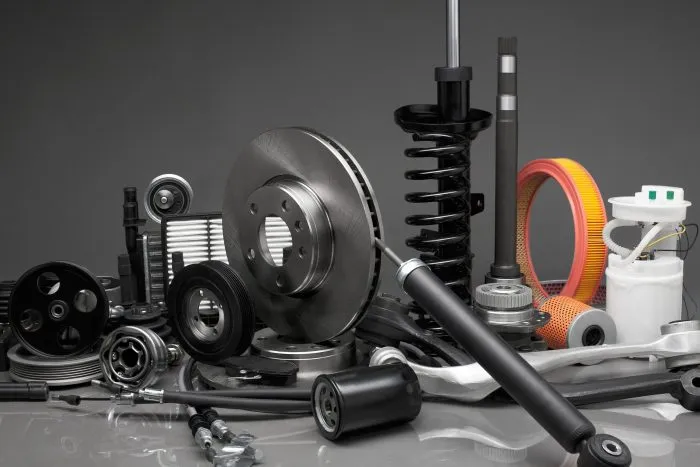
Spare parts management plays a decisive role in maintenance. It encompasses the planning, procurement, storage, and distribution of spare parts for your products. Efficient management and storage of your spare parts is of great importance in order to ensure customer satisfaction, minimize downtime, and build long-term customer relationships.
Challenges in Spare Parts Management
Spare parts management comes with a range of challenges that companies must face. Particularly in maintenance, spare parts management can quickly become a focal issue when problems arise.
-
Complexity of the product range: Companies with a wide range of products face the challenge of managing the right spare parts for each product. This requires a structured system and effective inventory management.
-
Fast delivery times: Customers expect rapid delivery of spare parts, especially when their productivity or operations depend on it. Optimized logistics and efficient procurement are essential to meeting these requirements.
-
Inventory management: Finding the right balance between adequate stock levels and excess inventory is a challenge. Accurate inventory monitoring and analysis are necessary to reduce costs and avoid shortages.
Proven Strategies in Spare Parts Management for Maintenance
To succeed in spare parts management and outperform your competition, we recommend the following proven strategies:
-
Analysis of Your Spare Parts Demand A thorough analysis of your spare parts demand is the key to optimizing your spare parts management. Identify the most frequently requested parts, forecast future needs, and adjust your inventory accordingly. Advanced data analysis tools and technologies can assist you with this. Avoid overcapacity, as modern storage systems are modular in design and can therefore be expanded at any time.
-
Implementation of an Efficient Warehouse Management System An efficient warehouse management system is essential for maintaining an overview of your spare parts. Use modern technologies such as barcode scanners, RFID tags, or automated inventory tracking systems to minimize errors and increase efficiency. Pay attention to key features such as automatic stock alerts, automated workflows, and easy integration into your existing IT systems.
-
Establishing a Reliable Supplier Network A reliable supplier network is crucial to ensuring an uninterrupted supply of spare parts. Work closely with your suppliers to guarantee short delivery times and competitive pricing. Emphasize the importance of a long-term partnership to benefit from improved terms and exclusive offers. Ideally, integrate your strategic suppliers directly into your IT systems to enable lean processes.
-
Implementation of Intelligent Inventory Planning Use advanced inventory planning techniques such as Just-in-Time (JIT) or Kanban to optimize your inventory levels. Through precise demand forecasting and close collaboration with your suppliers, you can avoid bottlenecks while simultaneously reducing costs.
-
Use of an Appropriate Storage System When selecting your storage system, pay attention to efficient space utilization, adequate throughput, and mechanisms for preventing picking errors. This is most easily achieved with automated small-parts warehouses (AS/RS).
Successful Spare Parts Management
To illustrate the effectiveness of the strategies presented, we would like to share two success stories:
Example 1: Company A (E-Commerce)
Company A, a leading consumer electronics manufacturer, was able to reduce its delivery times by 30% through the implementation of an efficient spare parts management system. Thanks to a comprehensive analysis of spare parts demand and the implementation of an advanced warehouse management system, they reduced their inventory by 20% while significantly increasing customer satisfaction.
Example 2: Company B (Automotive)
Company B, a renowned automotive manufacturer, improved its spare parts management by building a reliable supplier network. Through close collaboration with selected suppliers, they were able to reduce delivery times by 40% and lower spare parts costs by 15%. This led to improved service quality and increased customer loyalty.
Conclusion
Efficient spare parts management in maintenance is of critical importance for outperforming your competition and securing the long-term success of your business. By implementing proven strategies such as thorough spare parts demand analysis, an efficient warehouse management system, a reliable supplier network, intelligent inventory planning, and the use of warehouse automation, you can optimize your maintenance processes and increase customer satisfaction. Use these strategies as the foundation for your success and position yourself at the forefront of your industry!
Configure your NoyesStorage today and become an industry pioneer!